Uncategorized
How to Choose the Best Puppy for Your Family
How to Choose the Best Puppy for Your Family
Choosing a puppy is an exciting decision, but it should also be a thoughtful one. The cutest puppy isn’t necessarily the best match for your household.
The best puppy for a family is one whose temperament, size, exercise needs, grooming requirements, and care needs fit the people and lifestyle in the home.
Before choosing a puppy, take some time to understand what your family can realistically provide.
Consider Your Family’s Lifestyle
Start by looking at your everyday routine.
Ask yourself:
- How much time will someone spend with the puppy each day?
- How much exercise can your family provide?
- Is someone home during the day?
- How much grooming are you prepared to handle?
- Do you travel frequently?
- Do you live in an apartment, house, or another type of home?
Your answers can help narrow down which puppies may be suitable.
Think About the Puppy’s Adult Size
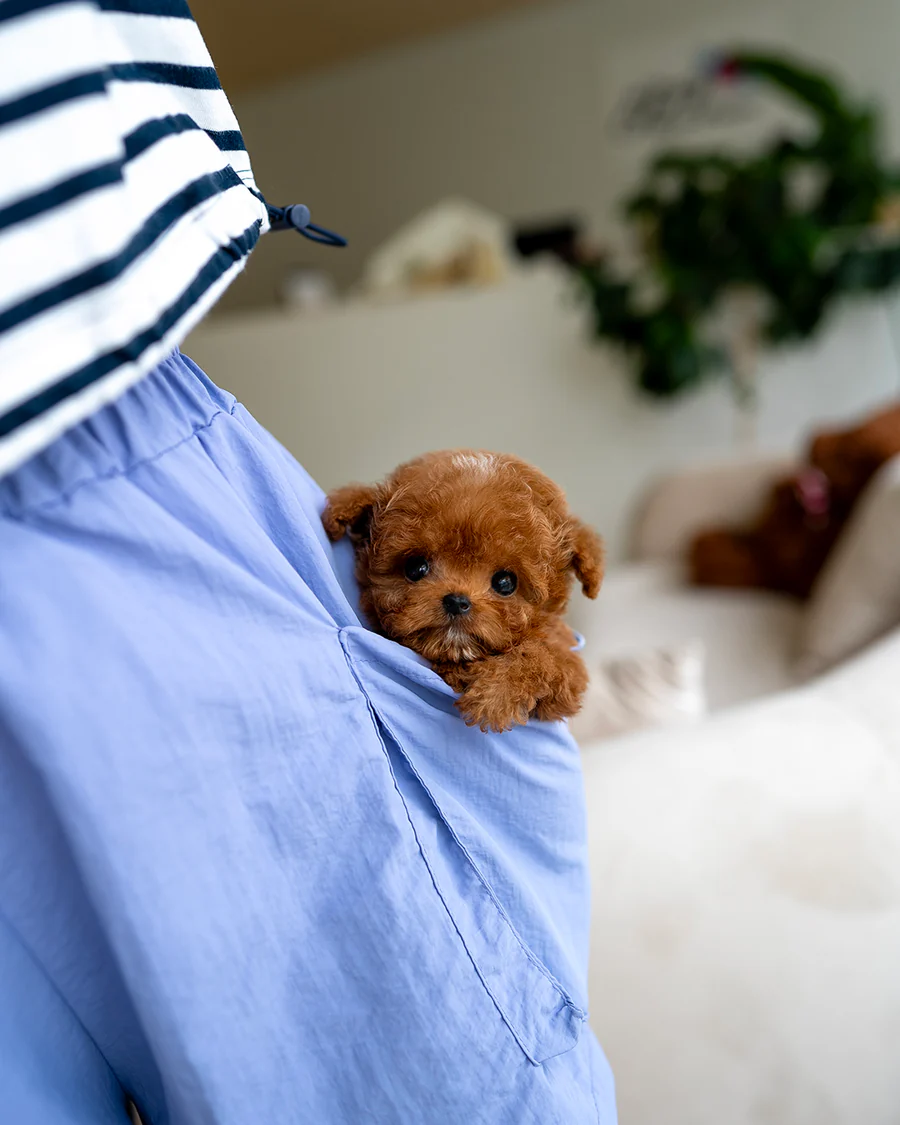
A puppy may be tiny when you first meet it, but it will grow.
Consider the dog’s expected adult size before making a decision. This is especially important if you live in a smaller home or apartment.
Pomeranians, Maltipoos, and smaller Poodle varieties can be appealing to families looking for smaller companion dogs, but individual dogs can still differ in size and personality.
Consider Temperament
Temperament is one of the most important factors when choosing a puppy.
Look for information about whether the puppy is:
- Social
- Playful
- Confident
- Calm
- Comfortable around people
- Curious about its environment
Remember that a puppy’s behavior can change as it grows. Early experiences, socialization, training, and environment all play important roles.
Consider Your Children’s Ages
Families with children should choose carefully.
Young puppies can be fragile and require supervision around children. Children should be taught how to handle and interact with a puppy appropriately.
Never assume that a small dog automatically means a dog is suitable for very young children.
The dog’s individual temperament and the children’s age and behavior both matter.
Grooming Requirements Matter
Some dogs require considerably more grooming than others.
Poodles and many Poodle mixes can require regular brushing and professional grooming. Pomeranians also have thick coats that require consistent grooming.
Before choosing a puppy, make sure your family is comfortable with the time and expense involved in maintaining the dog’s coat.
Think About Exercise Needs
Every puppy needs appropriate physical activity and mental stimulation.
Depending on the dog, this may include:
- Short walks
- Indoor play
- Outdoor play
- Training games
- Puzzle toys
- Social interaction
The amount of exercise should be appropriate for the puppy’s age, health, and development.
Training Is Part of Puppy Ownership
Even a small puppy needs training.
Start with basic skills such as:
- Name recognition
- Potty training
- Basic commands
- Leash training
- Appropriate chewing habits
- Gentle handling
Consistent positive reinforcement can help a puppy learn desirable behaviors.
Training also gives family members an opportunity to build a stronger relationship with the puppy.
Consider the Puppy’s Age
Age can influence what type of care a puppy requires.
Very young puppies need frequent attention, feeding, sleep, supervision, and appropriate veterinary care.
Before bringing a puppy home, make sure its age and developmental stage are appropriate for your household.
Never rush a puppy’s transition away from its mother and littermates simply because you are eager to take it home.
Ask About Health and Veterinary Care
Before choosing a puppy, ask for available health and veterinary information.
Important questions include:
- Has the puppy received veterinary care?
- What vaccinations have been given?
- Has the puppy received parasite prevention?
- What food is the puppy eating?
- Are health records available?
- What information is available about the puppy’s parents?
A responsible decision requires clear information rather than relying only on photographs.
Don’t Choose Based Only on Price
Price is important, but it should not be the only factor.
A cheaper puppy isn’t automatically a better deal, and a more expensive puppy isn’t automatically healthier or better suited to your family.
Consider the total cost of ownership, including:
- Food
- Veterinary care
- Grooming
- Training
- Toys
- Bedding
- Supplies
- Preventive care
Think about whether your family can comfortably handle these ongoing responsibilities.
Pomeranian, Maltipoo, or Poodle?
Different small companion dogs can suit different households.
Pomeranian
Pomeranians are small, lively, fluffy companion dogs. They can be affectionate and energetic and require regular coat care.
Maltipoo
Maltipoos are Maltese-Poodle crosses known for their affectionate and playful personalities. Their coat type and grooming needs can vary.
Poodle
Poodles are intelligent and highly trainable dogs. They are available in different size varieties and require regular grooming and mental stimulation.
There is no universally “best” breed. The right choice depends on your family’s lifestyle.
Meet the Individual Puppy
Breed descriptions are useful, but don’t stop there.
Every puppy is an individual.
When possible, learn about the specific puppy’s:
- Personality
- Age
- Sex
- Color
- Current diet
- Socialization
- Veterinary history
- Availability
This can help you make a more informed decision.
Prepare Your Home Before the Puppy Arrives
Before bringing your puppy home, prepare everything they will need.
Consider getting:
- Puppy-appropriate food
- Food and water bowls
- Comfortable bedding
- Safe toys
- Collar and identification
- Leash
- Grooming supplies
- Puppy-safe cleaning products
- A secure area for the puppy
Puppy-proof your home by securing anything that could be dangerous if chewed or swallowed.
Find the Best Puppy for Your Family
Choosing the best puppy for your family isn’t about finding the most popular breed or the smallest puppy.
It’s about finding a companion whose needs match your household and whose care you can commit to for the dog’s entire life.
Take your time, ask questions, review the available information, and choose responsibly.
If you’re ready to explore available puppies, review the individual puppy listings and compare their age, breed, personality information, and other details before making your decision.